
The languages of Japan are not related to other world languages. Japan is the home to an estimated 127 million people. The major language is Japanese, which shares some common ancestry with Okinawa (a regional language of Japan).
Since Japanese is a language isolate and spoken by 99% of people in Japan; it will make an interesting exercise to look into the indigenous languages that are currently making the waves in present-day Japan.
Japan has 47 prefectures and is equally important to know what are the prefectures of Japan.
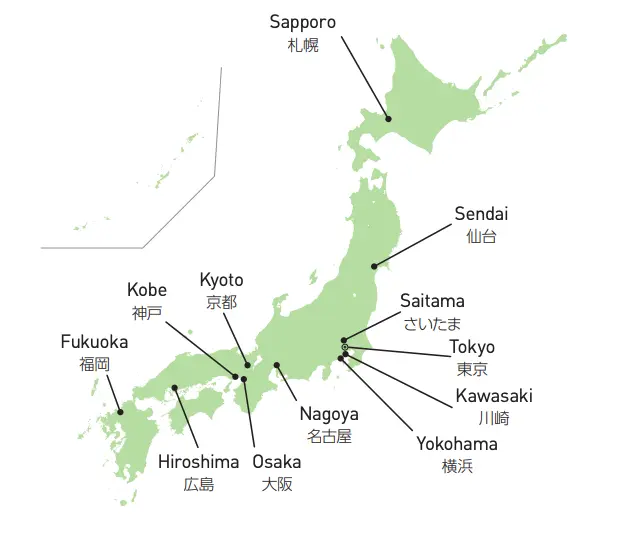
Official Language (Japanese)
Japan today has an official language spoken by virtually every Japanese irrespective of the region where you might find them. The official, major, and main language in Japan today is known as Japanese and the language is spoken by the entire population less than 2 million people, in essence, 125 million Japanese speak the Japanese language.
This language is a member of the japonica language family that also involves another variant of the dialect- Ryukyuan language. The natives refer to this is national language of japan “Nihongo”.
This official language is heavily influenced by the Chinese language because it is composed mainly of Chinese characters called – “kanji.” Aramaic numerals combine with Chinese characters to give us what is today called the official language of Japanese.
Like Japanese language, the Korean language (read also: Languages of Korea) is also composed of Chinese characters “Kanji”. From the written language standpoint, the speakers of Chinese, Japanese, and Korean can understand written form of one other’s language.
Read also: Languages of China
Regional Languages of Japan
Aside from the official language spoken by the vast majority in Japan, there is the regional language referred to as the Regional Language.
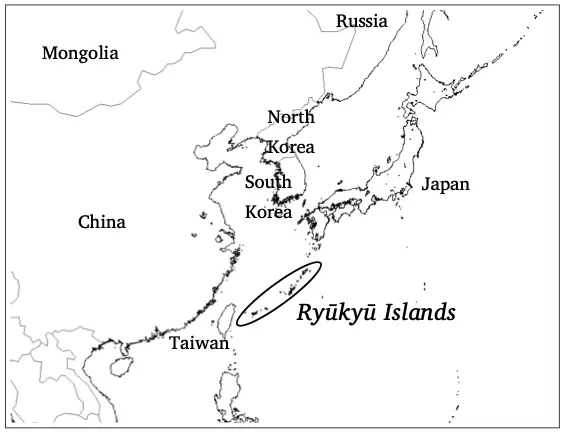
When you get to Japan, you will find many speakers of this language spread across the country; however, they are majorly concentrated at the Ryukyu Islands with a population of about 1.45 million speakers. This language is a family of japonica language which is closely related to Nihongo.
In recent years, the younger natives are not showing any interest in this language, they rather prefer the official language to their native language. The young Ryukyu Islands inhabitants now speak a corrupted version of the language.
Hokkaido Ainu Language
This is yet another native languages of Japan that is still spoken in Japan to date but in great danger of going into extinction. This is the language spoken by the Ainu ethnic group residing in Hokkaido Island.
UNESCO has classified this language critically endangered with only 10 people speaking the language and all of them are above the age of 80. Policies are drastically been put in place as a rescue measure to save this language from the danger of extinction. One of such is the printing of the Hokkaido Ainu dictionary.
The 16th-century records revealed that the Ainu language did not have an alphabet. However, by the turn of the 19th century, this language began to use katakana.
Orok Language
This is also a language that is also known as Ulta that is spoken in Japan and it emerged before the Common Era. This language is used during the Edo period in the following areas: Hokkaido, Karafuto. and the Kuril Islands.
The reality of this language today is that there are very few speakers of the language in Japan today.

Nivkh Language
Like her sister language Orok, this dialect is spoken in Hokkaido, Karafuto, and the Kuril Islands. The speakers of this language can also found in Amur River.
Among the languages of Japan, Nivkh faces a serious threat of going into extinction. It is not known whether speakers of this language still exist in Japan today.
Bonin Language
This is one of native languages of Japan that is English based and it is the language of people around Bonin Islands.
This is another language that is gradually going down into the dustbin of history in Japan and efforts are been made to ensure the revival of the language in Japan.
Ryukyuan Languages
If you wanted to know about one of the languages spoken today in Japan that is not originally part of the indigenous languages of Japan, then reference can be made to Ryukyuan language.
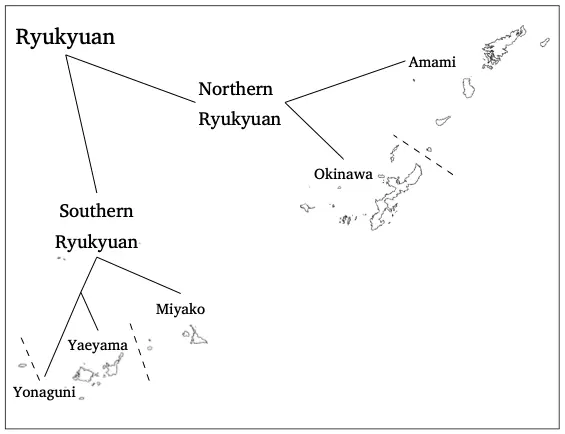
This language is spoken by the people that live around Okinawa and parts of Kagoshima in the Ryukyu Islands. This language is classified as part of the Japonic language family. In actual sense, they are separate languages and have no bearing with the Japanese of language.
But be that as it may, this is recognized as one of the languages in Japan with foreign influence. This is also one language that is classified under the endangered languages in Japan.
Evenki Language
This is the language spoken in the region of Sakhalin which was formerly controlled by Japan. Like the other native languages of Japan discussed earlier, the Evenki language is also under very serious threat of going into total extinction if efforts are not taken to revive it from the claws of extinction.
This has been the lot of all the languages so far under review; each and every one of them is under the threat of going under due to western influence and it seems there is nothing the government of the day can do to redress the worsening situation.
Other Languages Spoken in Japan
While Japanese remains dominant, several minority and regional languages continue to exist across Japan. Some of these languages have deep historical roots and are considered an important part of the nation’s cultural heritage.
Ainu
Ainu is the traditional language of the indigenous Ainu people of northern Japan, particularly Hokkaido. Although only a small number of speakers remain today, ongoing preservation efforts are helping keep this historic language alive.
Foreign Languages in Japan
If there is one country that foreign language has made great inroads, then one of such is Japan. Japan isolated herself from the global community for some time but in 1853, she broke the wall of isolation and embraced the world community.
The influx of foreigners after the wall was broken led to the importation of several foreign languages into Japan and these languages have gained a footstool in Japan. We have the following foreign languages in Japan today: English, German, Portuguese, Russian, Spanish, and French.
The effects of globalization on languages can be felt in Japan. Foreign influence is gradually eroding the prominence of the local languages of the natives. This is responsible for the dominance of foreign languages over the indigenous languages in Japan. With globilzation
If you get to Japan in the years to come, there is the likelihood that you might not find some of the languages of Japan mentioned above.
Why Japanese Translation Matters for Global Businesses
As Japan remains one of the world’s leading economies, businesses seeking international growth often need to communicate effectively with Japanese customers, partners, and stakeholders. Accurate translation plays a crucial role in building trust and ensuring successful cross-cultural communication. Professional Japanese translation helps organizations localize websites, marketing materials, product documentation, legal contracts, and customer support content. Clear and culturally appropriate communication improves customer experience and reduces the risk of misunderstandings.
For companies entering the Japanese market, translation goes beyond converting words from one language to another. It requires an understanding of cultural expectations, business etiquette, and communication styles. A well-translated message can strengthen brand reputation, improve customer engagement, and support long-term business success. As global trade continues to expand, Japanese language expertise remains a valuable asset for businesses operating in technology, manufacturing, education, tourism, and international commerce.
Conclusion
Japan’s linguistic environment extends beyond its official language, encompassing regional dialects, indigenous languages, and a growing influence of international languages. While Japanese serves as the primary medium of communication across the country, languages such as Ryukyuan and Ainu continue to reflect Japan’s rich cultural history.
Understanding the languages spoken in Japan provides valuable insight into the nation’s heritage, diversity, and global connections. Whether for travel, education, cultural exploration, or professional growth, learning about Japan’s languages opens the door to deeper communication and a greater appreciation of one of the world’s most fascinating societies.
Read also Is Japanese Easy to Learn?